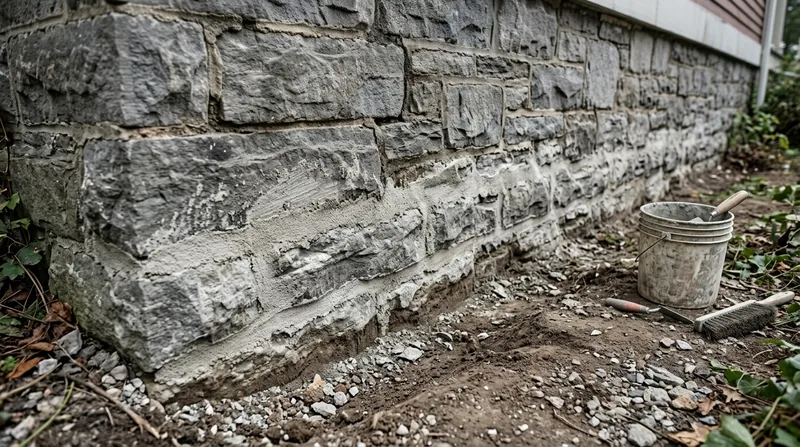


Binghamton sits in a deep valley where the Chenango River meets the Susquehanna, and that geography drives nearly every foundation problem we see. Glacial till on the West Side and South Side hills pushes runoff downhill toward older homes on stone and brick foundations, while the river flats in the First Ward and along Riverside Drive deal with a high water table after every big spring melt. Foundation Waterproofing in Binghamton means reading that terrain correctly before anyone touches a wall. We work on 1870s Victorian stone foundations, 1920s block, and poured concrete from the 1980s forward, and each one fails differently. If you are seeing water after rain or white powder on the block, start with a free basement inspection before you spend a dollar on repairs.
Why Binghamton Foundations Take a Beating
The building stock here is old and the weather is hard on it. Victorian and Italianate homes on the West Side sit on stone and brick footings that were laid with lime mortar, which softens and erodes over a century of freeze-thaw cycles. Factory-worker houses in Johnson City and Endicott have block basements that crack along the mortar joints. Add heavy snow, a fast spring melt, and summer storms that dump an inch in an hour, and the soil around these foundations stays saturated longer than the walls were ever designed for.
- Glacial clay soil on the hillsides holds water against the wall and builds hydrostatic pressure that finds every crack.
- Stone and brick foundations from the 1870s to 1910s need breathable repointing with compatible lime mortar, not a hard cement skin that traps moisture.
- Block basements in the First Ward and North Side wick water through the mortar joints and show efflorescence long before a puddle appears.
- River flats near the Chenango and Susquehanna flood in 2006 and 2011 left many footing drains silted shut and no longer moving water.
- Hard freeze-thaw cycles open hairline cracks in poured concrete that widen every winter until they leak.
None of these problems fix themselves, and most get more expensive the longer the water sits against the wall.
Key info: On a 1900s West Side home with a stone foundation, we often find the real problem is a failed footing drain, not the wall itself. Repointing a wall without correcting the drainage just moves the water to the next weak point. The City of Binghamton Code Enforcement office can confirm permit requirements for structural and drainage work, and rules vary by jurisdiction.
How We Approach Foundation Waterproofing in Binghamton
We start below grade and work outward, because the right fix depends on where the water is coming from. A crack that leaks after a hard rain is a different problem from a wall that weeps all spring. We inspect the foundation type, the grading, the downspout discharge, and the drain tile before we recommend anything. Sometimes a simple crack injection is enough. Sometimes the honest answer is an interior perimeter drain because the water table is the real driver and exterior excavation would be wasted money.
- We inspect the foundation, the basement walls, and the exterior grade, and we check whether the existing drain tile still flows.
- We identify the failure mode: hydrostatic pressure, a settling crack, a failed footing drain, or a blocked window well.
- We recommend the least invasive method that actually solves it, whether that is epoxy or polyurethane injection, repointing, or drainage correction.
- We correct grading and downspout discharge so roof water stops landing against the foundation.
- We verify the fix with a water test where the method allows it, and we explain what to watch for in the next wet season.
Our approach follows the Basement Health Association standards for below-grade moisture control, and we put the reasoning in writing so you can compare it against other estimates.
Local example: A split-level in Vestal on a block foundation had water on the floor every March but dry walls all summer. The culprit was a silted footing drain and a downspout dumping at the corner. We cleared the drainage path and corrected the discharge, and the spring water stopped. No wall excavation was needed. For homes where the water table is the driver, an interior drain tile system is usually the better answer than digging out the exterior.
Methods We Use and When Each One Fits
There is no single waterproofing method that fits every Binghamton foundation. The table below shows what we use and the conditions that call for it. We pick the method after the inspection, not before.
| Approach | Description | Best for |
|---|---|---|
| Epoxy injection | Structural crack repair that bonds the concrete back together and seals the crack. | Settling cracks in poured concrete that are stable and not actively moving. |
| Polyurethane injection | Flexible foam that fills the crack and expands to seal active leaks. | Hairline and leaking cracks in block and poured walls that move slightly. |
| Lime mortar repointing | Period-appropriate mortar that matches the original stone and brick and stays breathable. | 1870s to 1910s stone and brick foundations on the West Side and Riverside Drive. |
| Exterior membrane and dimple board | Waterproof membrane applied to the exterior wall with a drainage board to move water down. | Homes where exterior access is open and the wall itself is the main path for water. |
| Drainage correction | Grading, downspout extensions, and footing drain repair that stop water from reaching the wall. | Homes with hydrostatic pressure and a high water table near the river flats. |
For bowing or leaning walls, we move to carbon fiber straps or wall anchors rather than surface sealing, because sealing a moving wall hides the problem instead of stopping it. See our bowing wall repair page for that scope.
Foundation Waterproofing Cost in Binghamton: What to Expect
Most foundation waterproofing work in Binghamton starts around $3,500, and that figure covers a defined scope such as crack injection, repointing a section of stone wall, or correcting drainage at one side of the house. The number moves with the foundation type, the length of wall involved, and how much access the crew has. A West Side stone foundation with a tight side yard costs more to work on than a Vestal poured wall with open access.
- Foundation type matters: stone and brick need hand repointing, which is slower than treating a poured wall.
- Access matters: a narrow side yard or a finished basement adds labor and protection time.
- Scope matters: a single crack injection is a small job, while a full perimeter drainage correction is a large one.
- Water source matters: hydrostatic pressure work costs more than a simple seepage fix because it involves drainage, not just sealing.
Get two or three written estimates on the same scope, and make sure each one explains why it chose its method. Our full pricing overview breaks down the ranges by service so you can compare apples to apples.
Finding a Foundation Waterproofing Contractor Near Me in Binghamton
Ask three questions before you sign anything. Is the company licensed and insured for below-grade work, and can it show a certificate? Does the estimate explain the water source or just quote a method? Will the crew put the scope and the warranty terms in writing? A transferable warranty is worth having, but a verbal promise is not.
- Confirm licensed and insured status and ask for the certificate before work starts.
- Get at least two written estimates on the same scope so you can compare methods and prices.
- Ask for local references, ideally on the same foundation type as your home.
- Check permit requirements with the City of Binghamton for structural repair, egress work, or drainage changes, because rules vary.
- Read the warranty terms and confirm whether they transfer if you sell the home.
We are a Basement Health Association member, and we will tell you when a simple repair is enough. Reach out through our contact page to schedule an inspection and get a straight answer on what your foundation needs.
Foundation Waterproofing in Binghamton: Pricing Guide
| Service | Price | Details |
|---|---|---|
| Crack injection (epoxy or polyurethane) | Starting at $3,500 | Covers a defined crack repair with injection ports and sealing; moves up with crack length and wall access. |
| Lime mortar repointing (stone or brick) | Starting at $4,200 | Hand repointing with compatible lime mortar; price rises with wall height and how much mortar has eroded. |
| Exterior membrane and drainage correction | Starting at $6,500 | Membrane, dimple board, and grading correction on one wall; access and excavation depth drive the number. |
| Full perimeter drainage correction | On estimate | Needs an on-site look at footing drain condition, water table, and basement finish before quoting. |
| Travel | Included | In Binghamton and surrounding areas, with no separate call-out or mileage fee. |
| Estimate | Free | Response within 24 hours at (607) 862-8699, with no obligation to book. |
Indicative pricing, the exact cost depends on square footage, finish, and site access. Free personalized estimate within 24h at (607) 862-8699.


